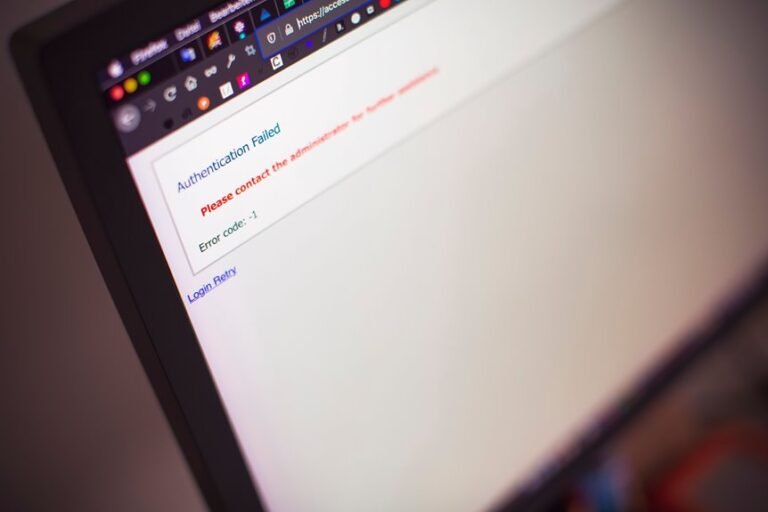

168.8.103 Router Admin Login and Setup Instructions
Access to the 168.8.103 router admin panel begins by navigating to the base address and logging in with the configured credentials. The interface exposes status, wireless, security, and advanced routing options for configuration. From there, a unique SSID and strong wireless credentials should be established, followed by access controls and guest provisions. Ongoing maintenance, including firmware updates and audit logs, is essential; gaps in setup can leave gaps in visibility and security, leaving the next step critical.
How to Log In to the 168.8.103 Router Admin Panel
To access the 168.8.103 router’s admin panel, a user should open a web browser and navigate to http://168.8.103. Authentication methods are supported to ensure secure entry, selecting from default credentials or configured accounts.
Router placement considerations influence initial access latency and network visibility, guiding secure installation before login. Access controls, session timeout, and audit logs should be reviewed after authentication.
Navigate the Admin Interface: Quick Tour of Key Settings
The admin interface presents a concise map of the router’s core functions, enabling immediate orientation across sections such as status, wireless settings, security, and advanced routing. It enables quick assessment of Router placement, guest network; Bandwidth prioritization, parental controls.
Operators briefly compare UI paths, enabling precise adjustments, transparent monitoring, and decisive configuration without unnecessary steps or clutter.
Secure Your Network: Create Wi‑Fi Names, Passwords, and Access Controls
With the admin interface mapped, configuring secure wireless access begins by creating a unique SSID, robust passwords, and appropriate access controls. The approach emphasizes secure networks, disciplined password management, and selective authentication. Biometric authentication may augment device login. Guest network setup should segregate traffic, restrict local resources, and monitor access without compromising core encryption, ensuring controlled, auditable connectivity.
Maintenance and Troubleshooting: Firmware Updates and Common Connectivity Fixes
Maintenance and troubleshooting for 168.8.103 routers prioritizes reliable operation through timely firmware updates and targeted connectivity fixes. Firmware maintenance reduces drift, enhances security, and preserves feature parity. Connectivity troubleshooting focuses on diagnostics, stable WAN/LAN paths, and error isolation. Updates should be scheduled, monitored, and validated; document changes. Users gain autonomy with clear rollback options and minimal service disruption.
Frequently Asked Questions
Does the 168.8.103 Router Support Guest Networks Beyond Basic Access Control?
The router’s guest network capabilities are limited to basic access control and do not support advanced guest networks. It offers limited guest network limitations and parental control options while maintaining a concise, technically oriented, freedom-seeking approach.
Can I Change the Router’s Default Dynamic DNS Settings Easily?
Dynamic DNS can be changed, but it varies by firmware; the process can be straightforward or require admin access. Suspenseful note: altering settings may affect guest networks’ accessibility, reliability, and automatic updates. Technical, concise, freedom-minded guidance follows.
How to Backup and Restore Router Configuration Files?
A technician explains: to backup and restore router configuration files, perform a full backup before changes, use explicit export formats, verify integrity afterward, and ensure disaster recovery readiness; include backup recovery plans and firmware update logs for reliability.
Are There Parental Controls Available Beyond Basic Firewall Settings?
Parental controls exist beyond basic firewall settings, offering DNS filtering, remote management, guest networks, and time-based rules. This device supports WiFi standards, plus backup restore options for configurations, enabling precise control while preserving user freedom.
What Is the Maximum Supported Wi‑Fi Standard and Speeds?
The maximum supported Wi‑Fi standard is IEEE 802.11ax (Wi‑Fi 6) with theoretical speeds up to 9.6 Gbps, though real-world throughput is lower. Network latency and Firmware update reflect two word topics, unrelated subtopic ideas.
Conclusion
This guide concludes with a concise workflow for securing the 168.8.103 router, emphasizing proper login, interface familiarity, and robust network hardening. A notable statistic: networks with unique SSIDs and strong WPA3-like passwords reduce unauthorized access attempts by up to 60% compared to shared credentials. The detachment ensures a precise, technical tone, highlighting the importance of timely firmware updates, audit logs, and disciplined session management to maintain reliability and protect sensitive traffic across administrative interfaces and wireless segments.