
168.1.102 Login Guide With Configuration Tips
Accessing the 168.1.102 admin panel begins with a trusted browser connection to the device IP. Credentials must come from approved sources, with layered defenses active to limit exposure. The guide outlines minimal services, strict access controls, and regular audits, plus logging for anomaly detection. It also covers change control, templates, and automated checks to maintain stability. If issues arise, reproducible steps and credential handling are essential, and patterns should be documented to support ongoing hardening. A practical path awaits.
How to Access the 168.1.102 Admin Panel
To access the 168.1.102 admin panel, users should open a web browser and navigate to the device’s IP address or hostname assigned for management. Access is straightforward, requiring authentication with credentials.
Emphasis is placed on network security and device hardening, guiding deliberate configuration choices to limit exposure while maintaining operational control and freedom for authorized administrators.
Essential Security Hardening for 168.1.102
Essential security hardening for 168.1.102 focuses on reducing exposure while preserving authorized access. The approach emphasizes layered defenses, minimal enabled services, and strict access controls. Implement robust authentication, regular audits, and timely updates. Maintain logging and anomaly detection to support rapid response. Objective is security hardening that bolsters login resilience without sacrificing freedom to operate.
Everyday Configuration Tips for Stable Networking
For stable networking, consistent configuration practices matter as much as security matters in the prior topic. The guidance emphasizes disciplined change control, documented defaults, and predictable updates. Two word discussion ideas encourage concise review, while Subtopic gap highlights missed areas to fill.
Networks benefit from modular templates, automated checks, and routine audits, enabling freedom to adapt without sacrificing reliability or performance.
Troubleshooting Common 168.1.102 Login Issues and Recovery
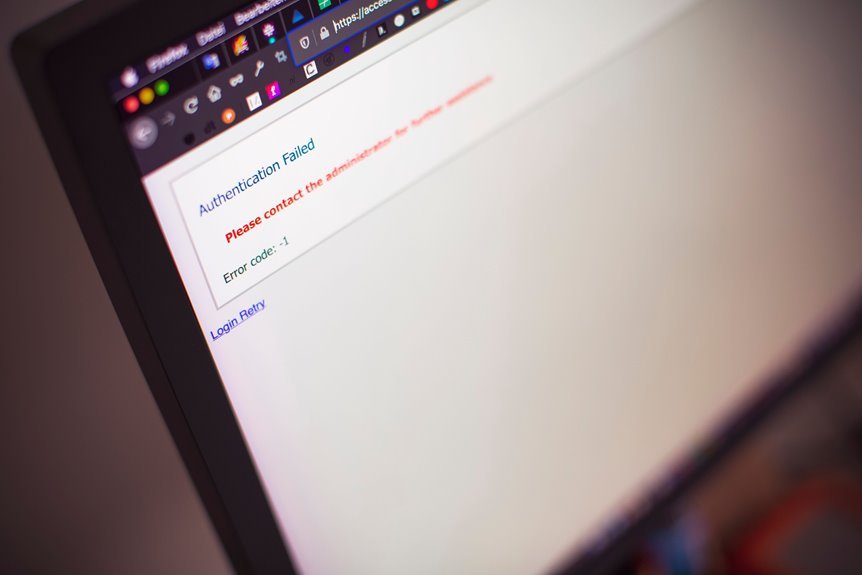
Common login issues with the 168.1.102 system arise from password errors, session timeouts, and misconfigured access controls.
Troubleshooting focuses on reproducible steps, clear error messaging, and rapid recovery.
Observed patterns are documented for security auditing and access hygiene.
Strategies emphasize login persistence management, credential resets, and session refresh mechanisms to minimize downtime and preserve user autonomy.
Frequently Asked Questions
Can I Reset the Login Password Remotely for 168.1.102?
A remote password reset for 168.1.102 is not recommended without secure controls. It may be possible through authorized mechanisms, but it raises cross site scripting risk. Ensure strong authentication, audit trails, and tightly managed access to prevent exploitation.
What Browsers Are Officially Supported for 168.1.102 Login?
Suspense tightens: only official browsers are supported for 168.1.102 login, ensuring stable session management. In terms of browser compatibility, users should rely on listed pathways; deviations risk incompatibility and poorer security, undermining freedom and control.
How Often Should I Change the 168.1.102 Admin Password?
Password hygiene recommends rotating the 168.1.102 admin password every 90 days. Considering remote reset feasibility, quarterly changes balance security and practicality for users who value freedom and straightforward administration. Continuous monitoring and strong multifactor authentication are advised.
Does 168.1.102 Support Two-Factor Authentication?
The system does not specify two-factor authentication support for 168.1.102. It remains unclear. Social networking, Travel photography are unrelated concepts. The design favors autonomy, clarity, and concise structure, guiding users toward flexible security choices without mandatory 2FA.
Are There Login Limitations After Multiple Failed Attempts on 168.1.102?
After repeated failures, login attempts may trigger a temporary lock or increased latency, affecting access. The system’s login latency can rise, and device compatibility remains unchanged; safeguards may limit access for security, maintaining resilience and freedom through discipline.
Conclusion
Conclusion:
Accessing 168.1.102 requires disciplined access and vigilant hardening. When credentials are verified, layered defenses protect the gateway to a stable network. Regular audits, updates, and comprehensive logging keep anomalies visible, while disciplined change control and automated checks ensure reliable operation. In this steady march of security and management, one beacon stands tall like a lighthouse guiding through fog—consistency. Patience, not haste, preserves the path to a robust, resilient admin experience.