
99.99.99 Private Network IP Guide and Login Instructions
This guide outlines how private IPs, using the 99.99.99 range, support autonomous addressing, efficient DNS, and secure VPN-tunneled access within a controlled network. It explains access controls, dashboard authentication, and auditable remediation practices. The approach emphasizes least-privilege, repeatable playbooks, and layered security to maintain verifiable controls. The opening premise invites scrutiny of implementation details and operational readiness, prompting readers to consider gaps, prerequisites, and the steps required to advance this framework.
How Private IPs Work in Your Network
Private IP addresses serve as internal identifiers within a local network, enabling devices to communicate privately without exposing them to the broader internet.
The mechanism supports private networking through deliberate IP allocation, enabling scalable access control and defined network topology.
Efficient DNS resolution and VPN tunneling ensure secure name lookup and remote access, maintaining control while preserving freedom and autonomy in digital infrastructure.
What 99.99.99 Ranges Really Mean for Access
The 99.99.99 range, while presented as a private-sounding designation, functions within a controlled addressing scheme that informs how access is managed across internal networks.
It underpins privacy middleware strategies and supports deliberate network segmentation, clarifying entry points and permissions. This separation preserves autonomy, ensuring authorized users navigate secure boundaries while preserving freedom to innovate within structured, protected environments.
Step-by-Step Login to Your Private Network Dashboard
Access to the private network dashboard is controlled through a straightforward sequence: navigate to the designated login portal, enter authorized credentials, and complete any required verification steps. The process remains transparent and deterministic, ensuring privacy policies are respected while enabling access.
After authentication, users review network topology details, confirming connections and permissions with minimal friction and maximum clarity for empowered exploration.
Best Practices for Security and Troubleshooting Private IPs
To safeguard communication within the 99.99.99 private network, users should implement a layered security approach for private IPs and establish clear troubleshooting protocols.
The guidance emphasizes disciplined security auditing, streamlined access choreography, and verifiable controls. Practitioners should document incidents, verify logs, rotate credentials, and enforce least privilege. Troubleshooting hinges on repeatable playbooks, fast isolation, and transparent, auditable remediation.
Frequently Asked Questions
Can I Change My Private IP Range to a Custom One?
Yes, it is possible to change the private IP range, though it requires careful planning. The system should document privacy audits and ensure private routing remains intact, avoiding conflicts with existing subnets while preserving security and freedom.
Are Private IPS Routable Over the Internet?
Private IPs are not routable on the public internet. They are meant for private, internal routing only. Private routing remains local; range customization is allowed within private allocations, but public reach requires NAT or explicit exposure.
How Do I Identify Device IP Conflicts Quickly?
To identify device IP conflicts quickly, one should run conflict detection tools, monitor ARP tables, and observe DHCP logs; initiate ip conflict resolution promptly, consider firewall considerations, and perform dns troubleshooting to confirm legitimate addresses.
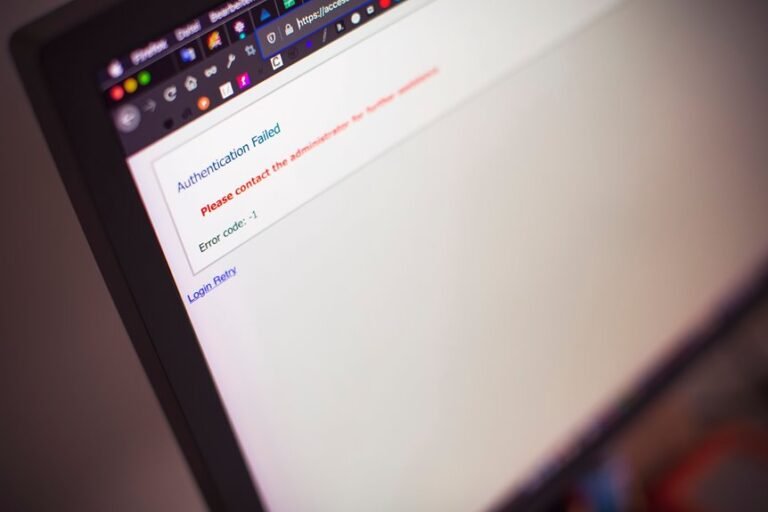
What to Do if Login Fails Due to DNS Issues?
A login failure due to DNS issues can be resolved by verifying DNS records and retrying with updated resolver settings; apply login failure DNS fixes, then reset network references. Consider private IP range customization to stabilize connections and access.
Do Private IPS Require a Special Firewall Configuration?
A private IP acts as a quiet fortress wall; no special firewall is required beyond standard policy. The topic ideas emphasize privacy networking, but configuration should align with existing security posture to preserve freedom and control.
Conclusion
Conclusion (75 words):
In the quiet hum of private addresses, access feels distant yet immediate. Juxtaposed against public visibility, 99.99.99 serves as a guarded doorway—familiar, controllable, and isolated. The dashboard’s credentials promise control, yet remind of responsibility; security layers whisper diligence, while audits insist on accountability. Connectivity is agile, but containment is deliberate. Thus, a paradox: seamless internal collaboration anchored by austere safeguards, where autonomy and auditable controls coexist, guiding network integrity without surrendering privacy.