192168121 Correct Router IP Format and Login Help
Many users confuse the string 192168121 with a router address for access. In reality, private gateway IPs are typically 192.168.1.1 or 192.168.0.1, and the exact value appears in the device’s network settings or on the router label. Enter the correct address in a secure browser and use valid credentials. If login stalls, verify connectivity and firmware status, then consider resets or credential updates before proceeding to the next step. The proper starting point, however, still requires confirmation.
What Is a Router IP Address and Why It Matters
A router IP address is the numerical label assigned to a device on a local network that identifies the router within that network.
It anchors routing decisions, segment boundaries, and device reachability.
Understanding Router IP basics supports secure configuration.
Admin login safety hinges on default credential awareness, strong access controls, and monitoring, ensuring controlled, auditable network access while preserving operational freedom for legitimate users.
Common 192.168.x.x Defaults and What They Mean for You
Common 192.168.x.x defaults provide a concise baseline for initial router access and configuration. This section outlines typical default addresses, vendor variations, and the implications for device discovery.
It emphasizes router behavior and subnet significance, clarifying how default gateways influence local networks, device reachability, and security posture.
Understanding these defaults supports efficient, empowered network management and informed customization.
Step-by-Step Login: Zap Through the Admin Page Safely
Accessing the router’s admin page requires a direct, methodical approach: connect to the correct local IP address, confirm a secure connection, and prepare valid credentials.
The procedure emphasizes router security, outlining strict login steps, page navigation, and confirmation of successful access.
After login, verify firmware updates and implement them promptly to maintain router security and system integrity.
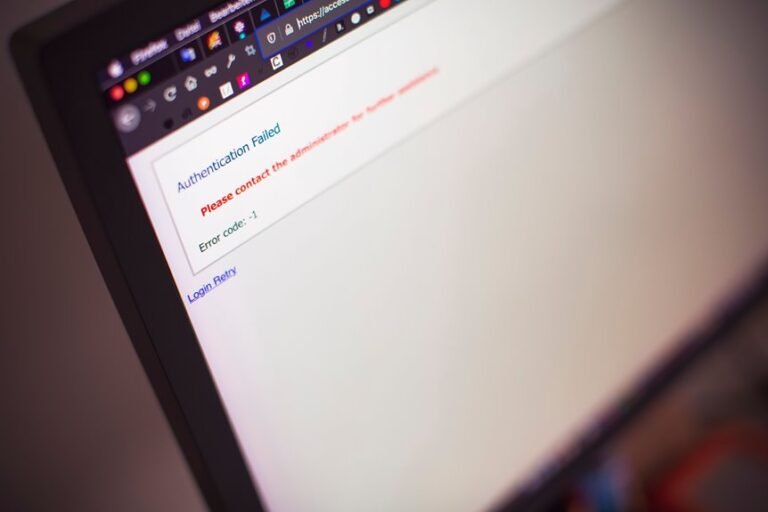
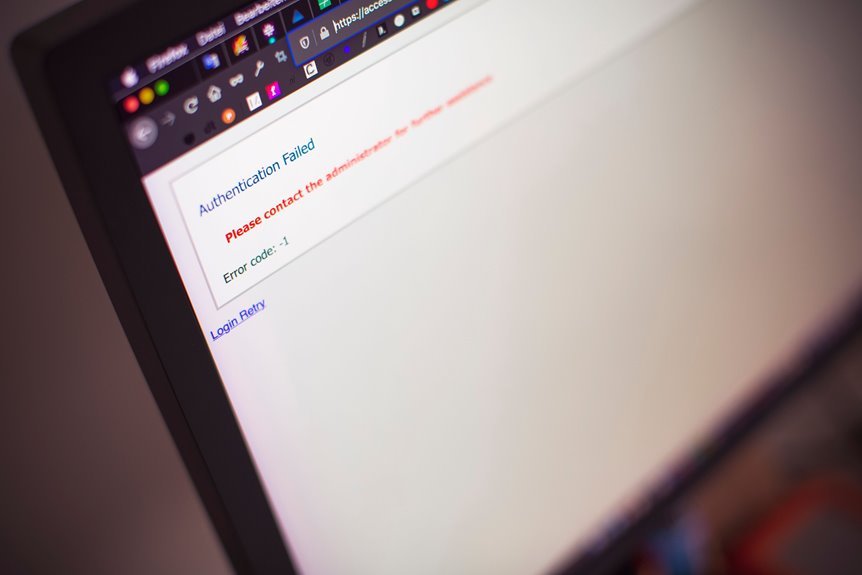
Troubleshooting and Quick Fixes When Login Stalls
When login stalls occur, a structured troubleshooting sequence is required to identify and resolve the underlying issue without compromising security. The process emphasizes discovery friction—optimizing error tracing while avoiding blind retries.
Operators assess device reachability, verify credentials, and inspect firmware integrity.
Adjustments reinforce security posture, applying minimal downtime fixes, documenting steps, and isolating potential threats to preserve system resilience.
Frequently Asked Questions
How Do I Change My Router’s Admin Username?
Change username by accessing the router’s admin panel, navigating to user settings, and replacing the default with a unique credential; save changes, reboot if required. Security tips: enable strong password, disable remote admin, and document changes securely.
Can I Login Without a Password?
The user cannot login without password due to router admin security measures; authentication is required. For sensitive access, enable secure methods, implement strong credentials, and configure passwordless options only with approved, enterprise-grade policies and explicit administrative approval.
What if I Forget the Admin Password?
Forgetting the admin password requires a router admin recovery: use default IPs to access the interface, then perform a factory reset if needed. After reset, set a new password and consider changing usernames for enhanced security.
Is 192.168.1.1 the Only Used Default IP?
No, 192.168.1.1 is not the only default IP. A router may use alternative default IPs; consult documentation. The default gateway or LAN address varies, with browser login pitfalls possible if URL is mis-entered or firewall blocks access.
How Do I Reset My Router to Factory Settings?
When a router is reset to factory settings, it reverts to default credentials and configurations. Reset procedure: press and hold the reset button, then reconfigure. Factory reset steps: access settings, set new admin password, rejoin networks.
Conclusion
From a precise, technical stance, the article clarifies that a router’s access point is a private gateway—most often 192.168.1.1 or 192.168.0.1—while the concatenated 192168121 is invalid. It guides users to verify the default gateway on devices, consult labels or docs, and login via a secure browser with correct credentials. When stalls occur, it recommends connectivity checks, credential resets, and firmware updates. In sum, accurate addresses unlock controlled, stable network access.