192.168.2.1 Invalid Router Address Explained
The article examines why 192.168.2.1 may not be the universal router gateway. It notes that many devices use different defaults, and that subnet and DHCP/ARP issues can block the route. A precise, technical approach helps identify the actual gateway and confirm settings. The discussion leaves room for exploration of verification steps, configuration checks, and the consequences of misaligned networks, inviting readers to consider their own gateway behavior and what to verify next.
What 192.168.2.1 Really Is and When It Appears
192.168.2.1 is a private IPv4 address commonly used as a default gateway by certain home and small-office routers. It appears when devices communicate with the local network’s management interface or when DHCP assigns a private route. In practice, it supports network troubleshooting and aligns with router defaults, clarifying access paths and configuration baselines for system operators seeking freedom and control.
Is 192.168.2.1 the Right Gateway for Your Router?
Determining whether 192.168.2.1 is the correct gateway depends on the router’s default configuration and the network’s addressing scheme.
In practice, gateways are chosen by vendor defaults or manual edits, affecting accessibility, device discovery, and network segmentation.
Data privacy and router branding influence decision visibility, but function remains dependent on firmware, DHCP behavior, and administrator preferences.
Quick Fixes to Access Your Router’s Admin Page
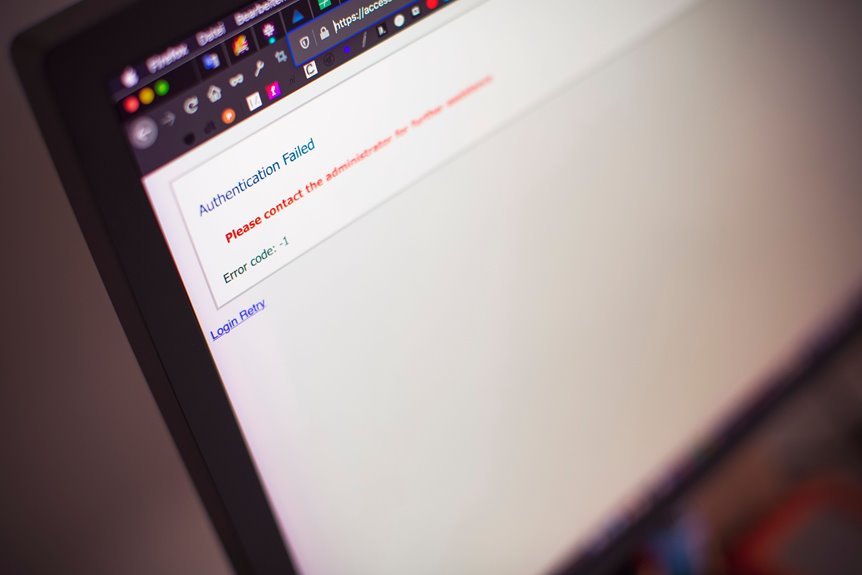
Accessing the router’s admin page can be accomplished quickly by applying targeted fixes that address common access problems. This guide presents concise, actionable steps focusing on IP troubleshooting and router security. Verify correct IP, disable conflicting VPNs, and reboot devices. Use wired connections when possible, reset credentials if allowed, and confirm port access. These precautions enhance reliable, independent configuration.
How to Verify and Change Your Network’s Default Gateway
Verifying and changing the network’s default gateway involves identifying the current gateway address, confirming its reachability, and applying the correct configuration to ensure reliable routing. The procedure uses precise commands, router interface details, and documented steps, avoiding anecdotal commentary. Two word discussion ideas, irrelevant topic, and deliberate focus on essential network behavior support an autonomy-friendly setup.
Frequently Asked Questions
Can 192.168.2.1 Be Used in Corporate Networks?
Yes, 192.168.2.1 can be used in corporate networks, though it is a private address and not routable on the Internet. In disaster recovery planning, it supports network segmentation by isolating management interfaces and diagnostic tools.
How Do Different Router Brands Handle 192.168.2.1?
Different router brands treat 192.168.2.1 variably, often reserving it for LAN management interfaces or alternative subnets. In home networking, device interfaces differ; router configuration options adjust accordingly, emphasizing secure access and clear documentation for freedom and control.
What if Two Devices Conflict With the Gateway Address?
Conflicting gateways cause two devices to treat the same IP as gateway, resulting in intermittent routing failures. Like gears jammed, they compete for traffic. This creates Device IP clashes, requiring unique gateway assignments or subnet reconfiguration to restore stability.
Is 192.168.2.1 Usable Without Admin Access?
192.168.2.1 is not usable without admin access for configuring network devices; local access or management interfaces require credentials. In terms of network topology and device access, default gateway control lies with authorized administrators, not arbitrary users.
Are There Security Risks Using 192.168.2.1 as Default Gateway?
Yes, using 192.168.2.1 as a default gateway can introduce security flaws and exposure to default credentials, especially on misconfigured devices; mitigations include changing defaults, network segmentation, and regular firmware updates for devices connected to this subnet.
Conclusion
In short, solidifying system settings saves sagas of scrambling. Confirm correct gateway, clarify conflicting DHCP, and curate coherent subnetting. Check chassis configurations, chart chosen address, and champion consistent firmware. Verify vendor voces, validate VLANs, and veto volatile routes. Ensure Ethernet, Wi‑Fi, and wired links align, avoiding abrupt access barriers. By balancing baseline bytes and broadcasting proper defaults, devices decode digits deftly, delivering dependable access. Ultimately, accurate aliasing, appropriate administration, and assured address alignment avert arduous, anxious Administrator angst.