168.1.226 Router Admin Login and Configuration Tutorial
Access to the 168.1.226 admin portal should be secured and deliberate. The guide outlines how to reach the interface via http or https, verify credentials, and apply foundational settings with an emphasis on robust authentication, proper IP configuration, and controlled DHCP. It identifies likely threats and offers auditable steps plus firmware updates. The discussion ends with practical, risk-based considerations that warrant further, careful action before proceeding.
How to Access the 168.1.226 Admin Portal
To access the 168.1.226 admin portal, users should connect a device to the router’s network and open a web browser to http://168.1.226 or https://168.1.226.
The process emphasizes networking basics and user authentication, ensuring secure access.
The approach remains precise and methodical, enabling freedom-minded administrators to verify credentials, observe least-privilege principles, and establish trusted sessions without exposing sensitive configurations.
Essential Router Settings to Configure First
After establishing a secure login to the 168.1.226 admin portal, the next step is to outline the baseline settings that should be configured first.
Focus on IP address basics to ensure proper subnetting and DHCP scope alignment, followed by login security measures, including strong admin passwords, role-based access, and two-factor consideration for privileged accounts.
Securing Your 168.1.226 Router Against Threats
Proper measures begin with a threat assessment mindset: identifying common attack surfaces on the 168.1.226 router—including unsecured WAN access, weak admin credentials, and exposed management interfaces—so that defenses can be targeted and validated through repeatable, auditable steps.
A security mindset informs risk prioritization, while a firmware update cadence strengthens resilience without imposing disruption on legitimate use.
Troubleshooting Common 168.1.226 Login and Connectivity Issues
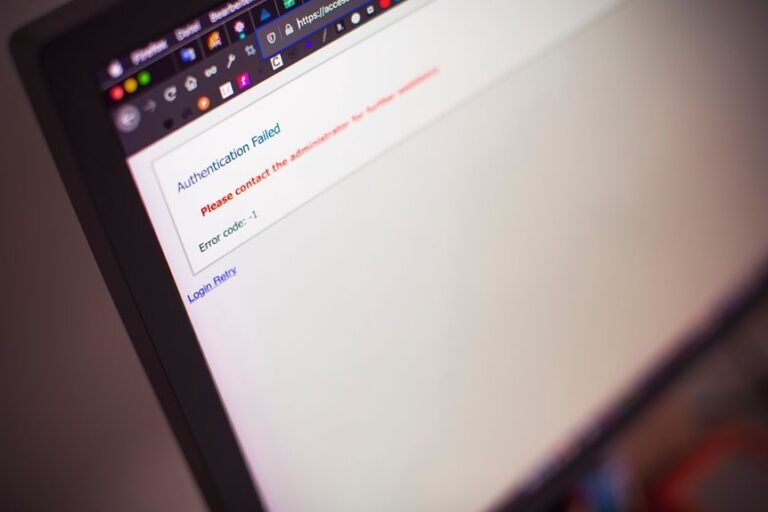
Administrators approaching 168.1.226 login and connectivity issues should begin with a concise assessment of the observed symptoms and documented configurations from the prior topic. Then apply methodical checks: verify credentials, review network topology, confirm firmware integrity, and inspect firewall rules. If issues persist, consider unrelated topic interference and random distraction factors, isolating effects without compromising security.
Frequently Asked Questions
Can I Change the Router’s Default Login Username?
The user can, in principle, change the default login username during initial setup or via user management; security-conscious practice emphasizes changing credentials. For policy, however, password changes should be paired with a robust username strategy and documented changes.
How Do I Update the Router Firmware Manually?
Firmware can be updated manually by uploading a compatible file via the router’s admin interface. The process should include a firmware backup prior to updating, and plan for manual recovery if the update fails. Maintain secure, deliberate steps.
What Parental Controls Are Available on This Model?
Parental controls are available on this model, enabling time schedules, content filtering, and device withholding. To maintain security, the system supports firmware updates via the admin interface, ensuring ongoing protection and feature reliability through controlled, monitored updates.
Can I Enable Guest Network Isolation for Added Security?
Yes, a guest network isolation feature can be enabled for added security; it separates devices from the main network. Consider enabling firmware updates, review parental controls, and verify guest network configurations to ensure robust isolation features and ongoing protection.
How Do I Reset the Router to Factory Defaults Without Losing Settings?
The reset procedure requires a full factory reset to restore defaults. However, preserving settings isn’t possible during this procedure; back up configuration beforehand, then perform the reset, reapplying essential security measures after initial setup.
Conclusion
The guide concludes with a precise, security-first mindset: configure the 168.1.226 router carefully, using HTTPS, strong admin credentials, and a well-scoped DHCP. Consistent firmware updates and minimal exposed interfaces reduce risk, while baselining IP/subnet settings ensures predictable access. An anticipated objection—“setup takes time”—is addressed by framing security as time-saving in the long run: fewer outages, faster incident response, and enduring network integrity. The result is a resilient, legitimate-use network maintained through auditable, repeatable steps.