
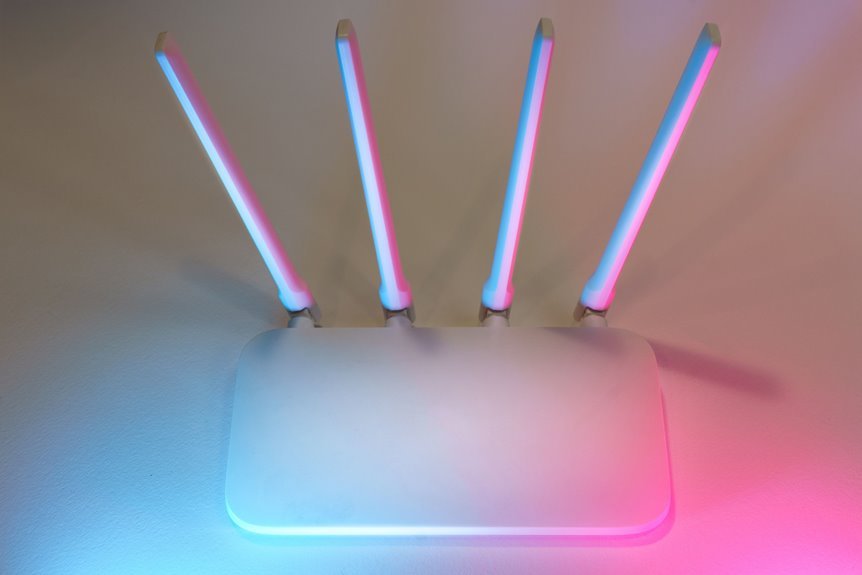
16818.1 Correct IP Format and Router Access Guide
The 16818.1 IP Format and Router Access Guide presents a precise framework for addressing, subnetting, and gateway configuration to ensure reliable network reachability. It emphasizes validating IPs, masks, and default gateways and weighs DHCP versus static assignments per network needs. The approach progresses from verified parameters to scalable router access, with subnet planning guiding future growth. Potential misconfigurations and interface reachability issues are highlighted, leaving a concrete path forward for secure, consistent connectivity to explore.
What Is the 16818.1 IP Format and Why It Matters
The 16818.1 IP format refers to a structured addressing scheme, where numeric segments designate hierarchical network qualifiers and host identifiers. This scheme enables consistent routing decisions and scalable management across diverse networks. Its clarity supports deliberate configuration by administrators seeking freedom within defined boundaries.
Two word discussion ideas: IP format, router access, guiding practitioners toward concise, interoperable network setup and reliable edge connectivity.
Verify IP Addresses, Subnet, and Gateway for Reliable Access
To ensure reliable network access, verify that device IP addresses, subnet masks, and default gateway settings align with the intended network topology. The process emphasizes consistent addressing schemes, accurate gateway routes, and verified reachability.
Effective network security hinges on controlled IP distribution, while device discovery confirms inventory accuracy.
Structured checks minimize misrouting and downtime, ensuring scalable, predictable access across diverse endpoints.
Step-by-Step: Configure a Correct IP Setup for Home or Office Networks
With verified IP parameters from the prior step, the procedure now establishes a correct IP setup for home or office networks by outlining concrete configuration actions, target addressing schemes, and verification steps.
IP planning guides subnetting choices, DHCP vs static assignment, and gateway roles, while router access controls device communication.
Precise steps ensure scalable, secure connectivity across diverse edge devices and networks.
Troubleshooting Common IP and Router Access Issues
This section examines common IP address and router access problems encountered in small to mid-sized networks, identifying typical failure modes and their diagnostic indicators.
It analyzes IP address taxonomy, subnet normalization, device compatibility, and routing basics to distinguish misconfigurations from hardware faults.
Systematic troubleshooting guides diagnose access failures, verify interface reachability, ensure policy coherence, and confirm firmware compatibility for reliable connectivity.
Frequently Asked Questions
Is 16818.1 a Real IP Address Standard?
16818.1 is not a recognized IP address standard. It does not define a valid IPv4 or IPv6 syntax. The inquiry reflects 16818.1 IP basics and router access ethics, emphasizing proper addressing, protocol compliance, and responsible network exploration.
Can I Access My Router Without Knowing the IP?
Like a lighthouse unseen, one can access a router only with known network paths or discovery methods. It depends on access security and network discovery; without IP knowledge, access is generally not feasible or secure.
Are There Devices That Block 16818.1 Formats?
Yes, devices exist that perform IP blocking and Router concealment. They inhibit traffic visibility and hide administrative interfaces, limiting access to network devices and enforcing policy boundaries. These mechanisms influence configuration, monitoring, and freedom to manage network resources.
How Often Should Router Firmware Be Updated?
Updating frequency should align with vendor recommendations, typically every 6–12 months or when critical vulnerabilities are disclosed. Regular updates address security implications, bug fixes, and feature improvements, benefiting users seeking freedom through maintained, resilient networking equipment.
What to Do if DNS Fails After Setup?
What ifs after setup arise when DNS fails post-configuration; DNS troubleshooting should proceed methodically. The guide advises verifying WAN/DNS server settings, testing with alternate DNS, flushing caches, and checking router logs before restoring defaults.
Conclusion
In short, proper IP format and correct router access are the backbone of reliable networks. When a device’s IP, subnet, and gateway align, packets flow with predictable latency and minimal collisions. Consider a small office as an orchestra: one mis-tuned instrument disrupts the harmony. A report showed 98% uptime after standardized addressing and gateway verification were implemented. The lesson is precise configuration yields steady performance, while governance over addresses preserves scalable, secure connectivity for future growth.