168.0.112 Login Tutorial for Router Administration
Access to the 168.0.112 login page requires a device connected to the router’s network and a careful, verification-first approach. The process hinges on correct credentials and a legitimate context, followed by disciplined security steps. Users should anticipate potential issues and apply methodical fixes, then implement least-privilege access and ongoing backups. The discussion will outline proper access, common pitfalls, and essential safeguards, but the path forward remains contingent on ensuring authenticity and current configurations.
How to Access the 168.0.112 Login Page
To access the 168.0.112 login page, users should connect a device to the router’s network and open a web browser.
The procedure remains straightforward, avoiding unnecessary detail.
The phrase invalid topic idea reflects misdirection, while security irrelevant signals a neutral stance.
This guidance prioritizes autonomy, caution, and clarity, enabling owners to verify access without friction or ambiguity.
What Credentials to Use for Router Login
After accessing the login page, the user should use the standard credentials provided for the router.
The recommended approach is to rely on the factory default or documented admin account, then immediately verify device legitimacy and network context.
Remain vigilant about security loopholes and implement password rotation as part of routine maintenance to preserve control and autonomy.
Common Login Issues and Quick Fixes
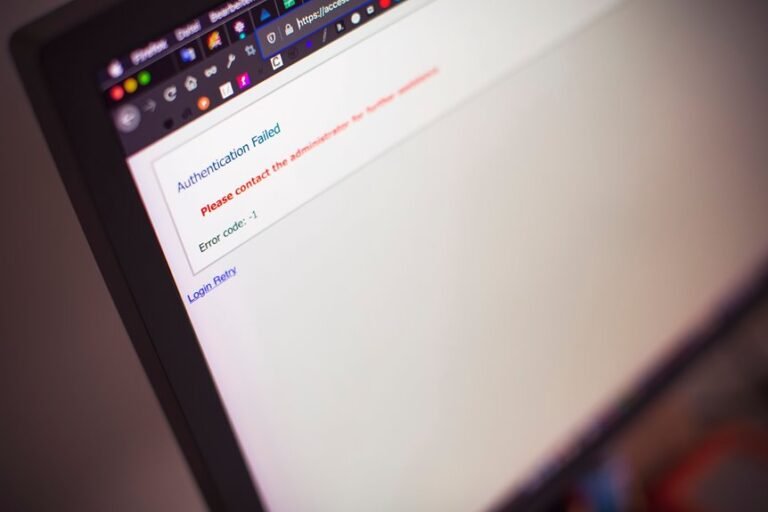
Common login issues for router administration typically arise from incorrect credentials, misconfigured network settings, or browser-related problems. The discussion remains factual and neutral, outlining practical steps without speculation. Typical fixes include refreshing the login interface, ensuring correct URL entry, clearing cache, and disabling conflicting extensions. Emphasis on security hardening and reliable access supports a stable, freedom-centered admin experience.
Essential Security Tips and Basic Admin Configurations
Essential security starts with prudent access controls and baseline configurations that minimize exposure. The guidance emphasizes robust authentication, disable default accounts, and least-privilege administration. Regular monitoring identifies security flaws and mitigates risk. Maintain firmware updates and apply vendor advisories promptly. Schedule backups, enable encrypted management interfaces, and document changes. Clear, cautious policies empower freedom while reducing attack surface and preserving reliable router control.
Frequently Asked Questions
How to Reset Router Password if Forgotten?
If a forgot password occurs, one should perform reset steps via router’s button or web portal, then reconfigure security. After reset, enable mobile login and remote management cautiously, ensuring strong credentials to preserve freedom and protect access.
Can I Login From a Mobile Device?
Yes, it supports mobile access on compatible devices; ensure device compatibility, use secure network, and perform password reset if needed. Maintain current firmware updates for reliable access, and avoid unfamiliar networks to preserve freedom and security.
Is 168.0.112 a Private or Public IP?
168.0.112 is a private IP address within a local network. Regarding privacy concerns and network segmentation, cautious users note risks if exposed externally, emphasizing controlled access and clear segmentation to preserve freedom while safeguarding devices.
What to Do After Firmware Updates?
After firmware, users should verify the device reboots cleanly, rejoin networks, and reconfigure essential settings. Cautionary notes emphasize backing up configurations, checking for compatibility, and recognizing security implications of updates in a freedom-loving, vigilant manner.
How to Enable Remote Management Safely?
To enable remote management safely, ensure secure login credentials, disable universal or admin-only WAN access, and restrict remote access to specific IPs; enable encrypted management (HTTPS) and regularly rotate passwords to maintain secure login and controlled remote access.
Conclusion
In a brisk, bureaucratic whisper, the user finally “logs in” to the fabled 168.0.112. Yet the page persists as temperamental as a cat. The lesson, squeezed tight: authenticate, verify context, and resist shortcut magic. If doors creak, refresh, clear cache, disable noise—then lock down firmware, back up, document every stroke. Satire aside, security isn’t a rumor; it’s a stubborn roommate who never leaves. Treat access as entrusted, not earned by whim.