
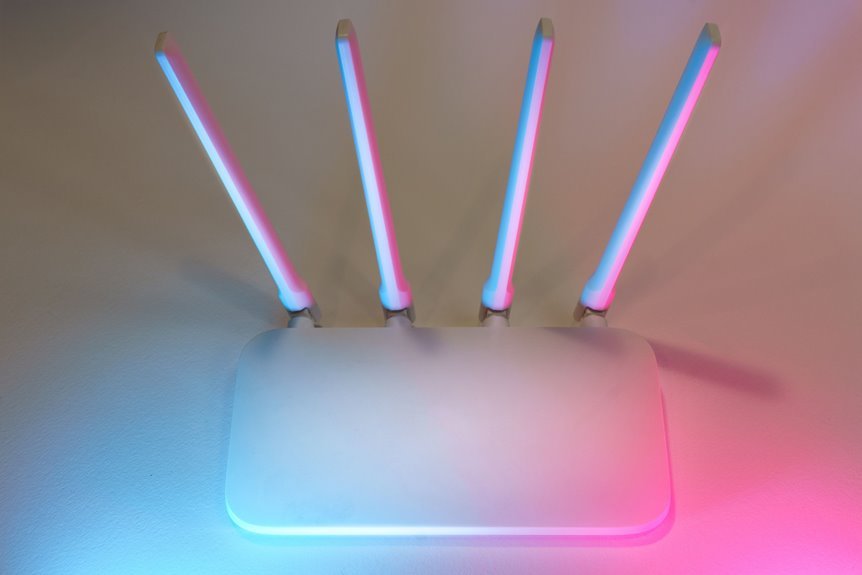
192.1.254 Correct Router IP Format and Access Guide
Understanding the 192.1.254 router IP format and access approach is essential for secure administration. The guide emphasizes confirming the device’s default gateway, then entering the gateway address in a browser to reach the admin page with valid credentials. It also covers disabling default credentials, proper subnet masking, and compatibility checks. If access fails, users should clear DNS caches and verify firmware versions before retrying, leaving administrators with a clear path to resolve issues.
What Is the 192.1.254 Router IP Address, and Why It Matters
The 192.1.254 router IP address is a private network identifier used to access a device’s management interface within a local network. It represents a defined access point for configuration, monitoring, and security settings.
Understanding IP address basics enables precise control, reduces misconfigurations, and supports robust router security. This awareness empowers owners to maintain secure, reliable, and adaptable networks.
How to Verify Your Router’s IP on Different Devices
To determine a router’s IP address across devices, users should access the built-in network settings on each platform and identify the gateway or router address listed as the default gateway.
Verification spans operating systems and hardware, ensuring consistency despite unrelated topic distractions.
The method applies to varied devices, preserving accuracy while remaining succinct and technically precise for freedom-minded readers.
Step-by-Step Login: Accessing the Router’s Admin Page Safely
Accessing the router’s admin page requires navigating to the device’s gateway IP in a web browser and logging in with a valid administrator credential. The session should employ HTTPS when available and disable default credentials. Follow routing basics for secure access and verify device discovery details before changes. This disciplined approach preserves freedom while protecting configuration integrity.
Troubleshooting Common Access Issues and Quick Fixes
Typical access issues arise when the router’s admin page fails to respond, credentials are rejected, or the gateway IP is unreachable. The guide outlines correcting IP formatting during diagnosis and implements quick access fixes such as verifying subnet masks, reloading firmware, and clearing DNS caches. This concise approach aids users seeking freedom while restoring stable, secure connectivity and reliable administration.
Frequently Asked Questions
Can I Change the 192.1.254 IP to a Private Range?
The question: yes, one can change router LAN to private IPs. The device should use a private range (e.g., 192.168.x.x or 10.x.x.x). Ensure no IP conflicts, update DHCP scope, and preserve gateway access.
Is 192.1.254 Used by All Routers Worldwide?
No. 192.1.254 is not universal; it’s a public address used within some contexts. Nonetheless, routers vary. In practice, disabling UPnP and changing default DNS reflect secure configurations, not universal address conventions, and do not imply global standardization.
What if Multiple Devices Show Different Router IPS?
When multiple devices show different router IPs, the result reflects identical gateway divergence across devices and potential network segmentation, device isolation, or multiple subnets, requiring synchronized DHCP/ARP tables and consistent gateway configuration to restore uniform access.
Do I Need a Password Manager for Router Credentials?
Approximately 60% of breaches involve credential reuse, highlighting risk. A password manager for router credentials is advisable, as it enhances password management and router security by storing unique, strong credentials and auto-filling them securely.
How Often Should I Update Router Firmware Security?
An appropriate update cadence for router firmware is as soon as patches are released, balancing stability and security. Delayed updates widen exposure; regular assessments address security implications while maintaining autonomy, performance, and configurability for users seeking freedom and control.
Conclusion
Conclusion:
Confirm precision, confirm gateway, confirm access; confirm security, confirm credentials, confirm firmware. Validate default gateway integrity, validate subnet masks, validate DNS behavior. Access securely, access confidently, access promptly. Disable default credentials, disable unsafe shortcuts, disable insecure protocols. Verify compatibility, verify caches, verify renewals. Troubleshoot methodically, troubleshoot calmly, troubleshoot decisively. Document results, document changes, document timestamps. Maintain consistency, maintain compliance, maintain readiness. Achieve robust administration, achieve dependable control, achieve lasting protection.