16.100.100 Private IP Configuration and Login Tutorial
The guide on 16.100.100 Private IP configuration presents a disciplined approach to assigning a designated internal address within the private range, establishing deterministic subnetting, routes, and security policies. It emphasizes least-privilege access, MFA, and encrypted data-in-transit, paired with centralized credential management and ACLs. The framework supports monitoring and baselined performance for rapid troubleshooting, but its real value emerges only when disciplined planning is applied—and gaps may become evident as systems scale.
What Is 16.100.100 Private IP and Why It Matters
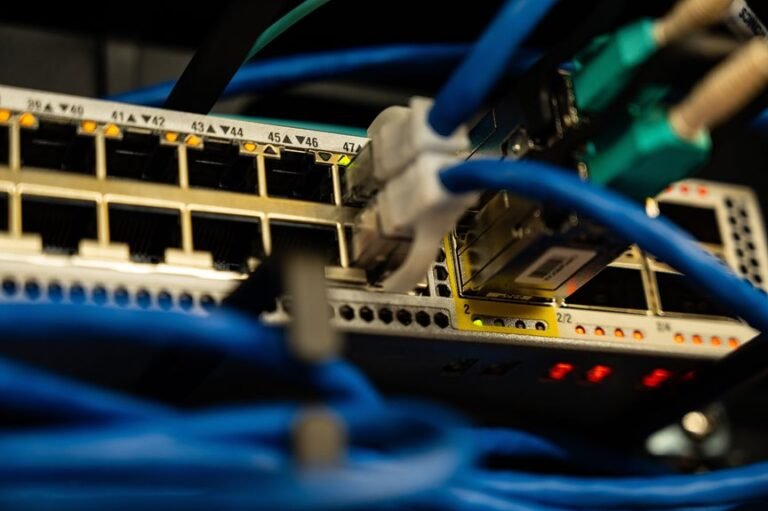
A 16.100.100 private IP refers to an internal IPv4 address within a dedicated private address range used by a local network for internal communication. The figure supports conceptual networking and IPv6 transition, illustrating abstraction from public addressing.
It underpins IP address allocation and public-private mapping strategies, enabling scalable, contained networks while preserving freedom to reconfigure infrastructure without external exposure.
Setting Up the Private IP: Step-by-Step Configuration
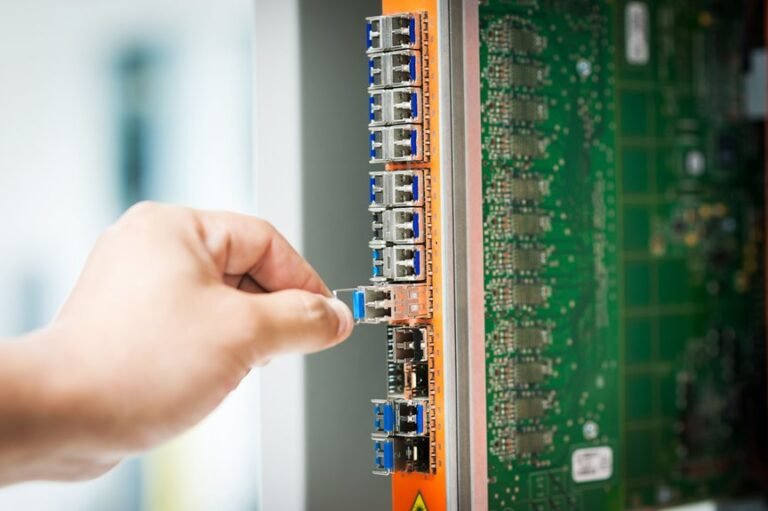
Setting up the private IP entails assigning a designated internal address within the 16.100.100 range to network interfaces and configuring the relevant routing and security parameters.
The process emphasizes private IP planning, disciplined subnet alignment, and deterministic address assignment. Access control routes, ACLs, and firewall rules are defined to isolate segments, restrict unauthorized access, and ensure predictable communication paths across the internal network.
Secure Login and Access: Best Practices and Methods
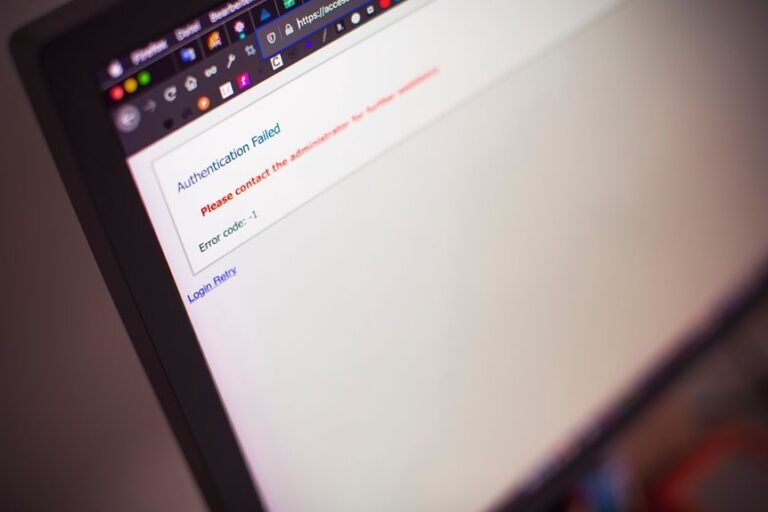
Secure login and access controls are essential to protect systems operating within the 16.100.100 private IP range. Access methods should enforce least privilege, multi-factor authentication, and role-based permissions. Implement secure networking boundaries, monitor anomalous sessions, and log events with integrity checks. Encryption practices protect data in transit and at rest, while centralized credential management mitigates leakage and tampering risks.
Troubleshooting, Pitfalls, and Maintenance Tips
Troubleshooting, pitfalls, and maintenance tips for the 16.100.100 private IP configuration focus on rapid problem isolation, reproducible diagnostics, and proactive upkeep. This section emphasizes reproducible steps, documenting baseline performance, and isolating network layers. Conceptual pitfalls are identified, including misinterpreting subnet scopes and gateway roles. Latency considerations are analyzed with measured tolerances, ensuring deterministic behavior and timely remediation across configurations.
Frequently Asked Questions
Can 16.100.100 IPS Be Used Publicly?
Public Private compatibility: 16.100.100 IPs are private addresses and not routable on public Internet; they require tunneling or NAT. Communication protocols remain unchanged, but public exposure demands careful network design and security controls for safe usage.
How to Rotate Private IPS Without Downtime?
Rotating private IPs can be achieved with careful downtime mitigation and network segmentation. It requires planned capacity planning, synchronized reconfiguration, and staged DNS/ARP updates; downtime minimized by parallel workflows, route warm-swaps, and automated health checks, like a technical dance.
Are There Licensing Limits for Devices Using 16.100.100?
The inquiry concerns licensing constraints for devices using 16.100.100. Yes, licensing constraints apply; deployment licenses govern device usage, quantity, and activation. Compliance hinges on per-device and aggregate counts, with auditing mechanisms ensuring adherence to deployment licenses and entitlements.
What Are Legal/Privacy Implications of This IP Range?
The image forms a closed harbor of data flows; privacy implications hinge on collection and retention practices, while legal concerns concern jurisdiction, compliance, and notice. It is precise, structured, and presents freedom-minded considerations for users.
How Does IPV6 Interact With 16.100.100 Private IPS?
IPv6 interaction with 16.100.100 private IPs involves dual-stack or translation scenarios; private IPs remain non-routable publicly, while IPv6 public usage expands reach. Licensing/privacy implications arise from visibility, data logging, and potential cross-network exposure of private ranges.
Conclusion
In conclusion, the 16.100.100 private IP configuration establishes a controlled, isolated network environment with deterministic subnetting, routing, and security policies. By enforcing least-privilege access, MFA, and centralized credential management, organizations minimize exposure and tampering risks while ensuring secure in-transit data. Regular monitoring, baselining, and disciplined maintenance support rapid troubleshooting and predictable performance. As a guiding principle, a roadmap of explicit roles and ACLs preserves integrity; a compass for secure internal communication, unwaveringly, until policy evolves.