
168.0.187 Router Access Guide and Common Fixes
Accessing the 168.0.187 router requires a direct connection and the correct login interface. This guide outlines steps to sign in, verify firmware, and review security settings. When problems arise, verify credentials, clear caches, and test on another device. If issues persist, reboot, check DHCP and IP configurations, and resolve conflicts. The process highlights common fixes and security practices, but the next steps depend on your specific network setup and potential support guidance. Consider what comes next.
How to Access the 168.0.187 Router Login
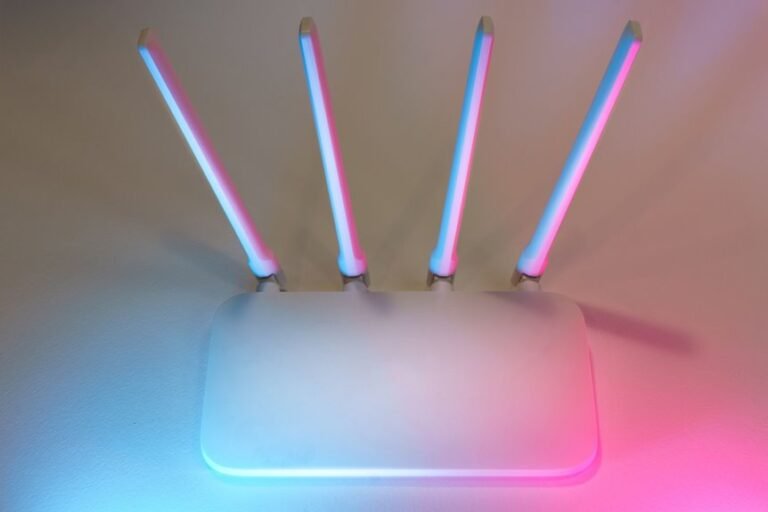
To access the 168.0.187 router login, users should first connect a computer or mobile device to the router’s network via Ethernet or Wi-Fi.
The Login Interface loads, prompting credentials.
After sign-in, check Firmware Updates and Network Security settings.
If issues arise, consult Customer Support for guidance, ensuring secure access and uninterrupted freedom to manage the network.
Common Login Problems and Quick Fixes
Common login problems with the 168.0.187 router usually stem from credential issues, connectivity glitches, or browser-related obstacles. Clear cached data, verify usernames and passwords, and check network mapping to ensure proper access. Update firmware when available, review security concepts, and confirm peripheral configuration. If issues persist, reboot and test from another device, maintaining concise, freedom-minded troubleshooting.
Diagnosing IP Conflicts and Network Mismatches
IP conflicts and network mismatches can disrupt connectivity and device accessibility.
Diagnosing IP mismatches requires verifying DHCP scope, static assignments, and subnet continuity. The process emphasizes proactive measurement and verification over blame.
The guide outlines practical steps for router conflict resolution, including reassigning conflicting addresses, updating DNS entries, and confirming gateway consistency to restore stable, freedom-friendly network access.
Secure Login Practices and Password Recovery
Secure login practices and efficient password recovery are essential for maintaining router integrity and user accessibility. The guide emphasizes using strong credentials, enabling secure encryption, and updating firmware to minimize risk. For password recovery, maintain accessible recovery options, verify identity promptly, and secure recovery channels. Regular audits, documented procedures, and clear prompts support freedom seekers seeking reliable, private, and rapid access without compromise.
Frequently Asked Questions
Can I Change the Router’s Default IP Address Safely?
Yes, it is generally safe to change the router’s default IP address if done carefully to avoid conflicts. Afterward, change password and update firmware to maintain security and stability.
Is There a Guest Network Option for Visitors?
Yes, most routers offer a guest network option for visitors. The feature aligns with guest network concepts, visitor access guidelines, and parental controls relevance, providing isolated access while maintaining security and personal network freedom for users.
How Do I Enable Parental Controls on This Router?
Parental controls can be enabled in the router’s admin panel by selecting the Security or Access Restrictions section. This enhances router security while allowing tailored internet access schedules. Ensure firmware updates are current; a guest network remains separate for visitors.
What to Do if LEDS Indicate a Hardware Failure?
If LEDs indicate a hardware failure, perform hardware diagnostics and initiate firmware recovery. The procedure involves safely powering down, diagnosing with vendor tools, and applying a confirmed firmware recovery image to restore device functionality.
Can I Reset to Factory Settings Without Losing Firmware?
A factory reset can erase settings but typically preserves firmware if not downgraded; however, firmware safety demands caution. The user should preserve configurations, monitor LED indicators, and confirm hardware failure status before proceeding with any factory reset.
Conclusion
The guide juxtaposes simplicity with complexity: a blinking login page promises access, yet behind it lies a tangle of settings and signals. Clear steps—connect, sign in, update firmware—offer directness, while the risk of misconfigurations looms like a shadow. In one pane, secure credentials protect progress; in the other, a failed login invites patient repetition. Through disciplined checks and calm persistence, users move from uncertainty to stable, safeguarded network access.